
Foot pain is a pervasive issue that affects mobility and overall quality of life. While various over-the-counter remedies exist, medical professionals often recommend specific interventions to address the root cause of the discomfort. Here is more information on foot pain, what causes it, and how custom orthotics can help:
What Is Foot Pain?
Foot pain encompasses any discomfort or physical suffering in the toes, heels, arches, or soles of the feet, and it ranges from acute sharpness resulting from a specific injury to a chronic, dull ache that persists over extended periods. Podiatrists may prescribe custom orthotics to address these symptoms when standard footwear fails to provide adequate structural support. This approach targets the underlying biomechanical issues rather than merely masking the symptoms.
What Causes It?
Several factors contribute to the development of foot pain. Structural irregularities, such as flat feet or high arches, often create imbalances, and these biomechanical issues place excessive stress on specific areas of the foot. Overuse injuries are another common culprit among athletes and individuals with occupations that require prolonged standing.
Systemic conditions also contribute to the deterioration of foot health. Arthritis often causes joint inflammation and stiffness, while diabetes may lead to neuropathy or poor circulation in the extremities. Identifying the specific underlying cause is a necessary step toward implementing an effective management plan.
What Are Custom Orthotics?
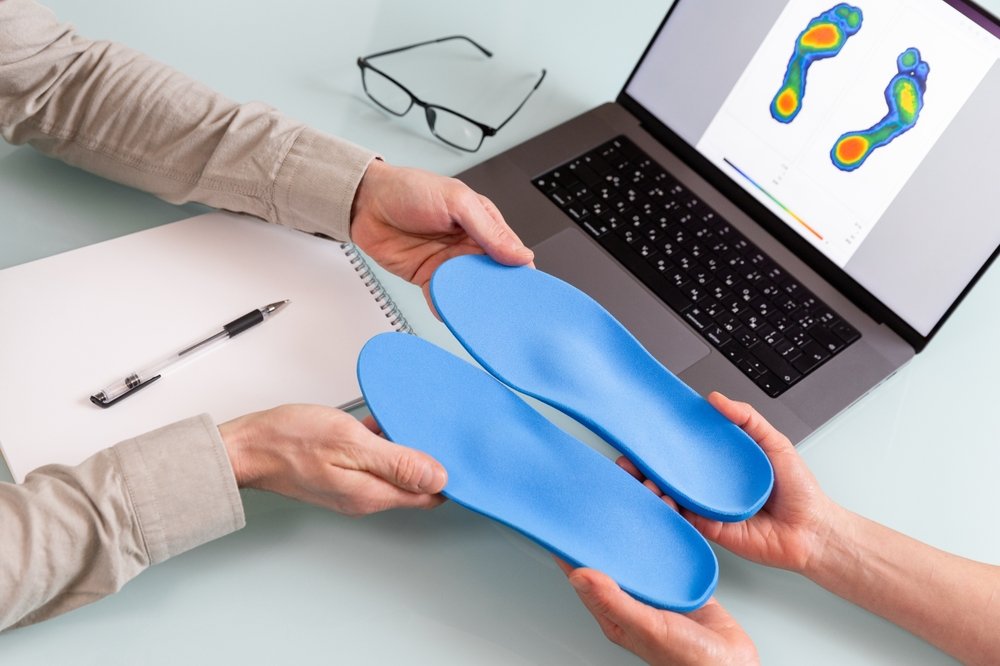
Custom orthotics are prescription medical devices worn inside shoes to correct biomechanical foot issues. Unlike generic shoe inserts found in retail stores, these devices are fabricated specifically for an individual’s unique foot structure and gait pattern. A podiatrist conducts a thorough evaluation, often involving 3D imaging, and they design a device that aligns with the patient’s anatomy.
How Do They Work?
These devices function by physically realigning the foot and ankle into a neutral, anatomically correct position. By correcting abnormal motion, the orthotic reduces the strain placed on the muscles and ligaments. This realignment helps distribute body weight more evenly across the foot’s surface.
The materials used in fabrication vary based on the patient’s specific diagnosis and clinical needs. Rigid materials offer structural control for walking, while softer materials provide necessary shock absorption for conditions like arthritis. This customization allows the device to address specific pathology, and it maintains functionality during daily activities.
What Are the Benefits?
The primary advantage of using prescribed inserts is reduced discomfort and pain. By correcting the foot’s function, these devices alleviate tension on the plantar fascia, reducing symptoms associated with common conditions like plantar fasciitis. Proper alignment helps prevent the progression of structural deformities, and patients may observe a decrease in secondary pain after consistently wearing their prescribed devices. Additional benefits of custom orthotics include:
- Injury Prevention: They provide stability, reducing the likelihood of ankle sprains and stress fractures.
- Enhanced Performance: Athletes may experience improved efficiency and reduced fatigue during physical activity.
- Diabetic Foot Care: They redistribute pressure to prevent ulcer formation in high-risk patients.
- Longevity: Custom devices are durable and may last for several years with proper care.
Find Relief Today
Addressing foot pain requires a professional assessment to determine the most appropriate course of clinical action. Custom orthotics offer a solution for correcting biomechanical faults and restoring proper function to the lower extremities. Consult with a podiatrist to discuss whether these medical devices are suitable for your specific condition and lifestyle.